Understanding Nutrition Science

An educational resource exploring the science behind food choices and energy balance

Educational content only. No medical services. No promises of outcomes.

What is Energy Balance?
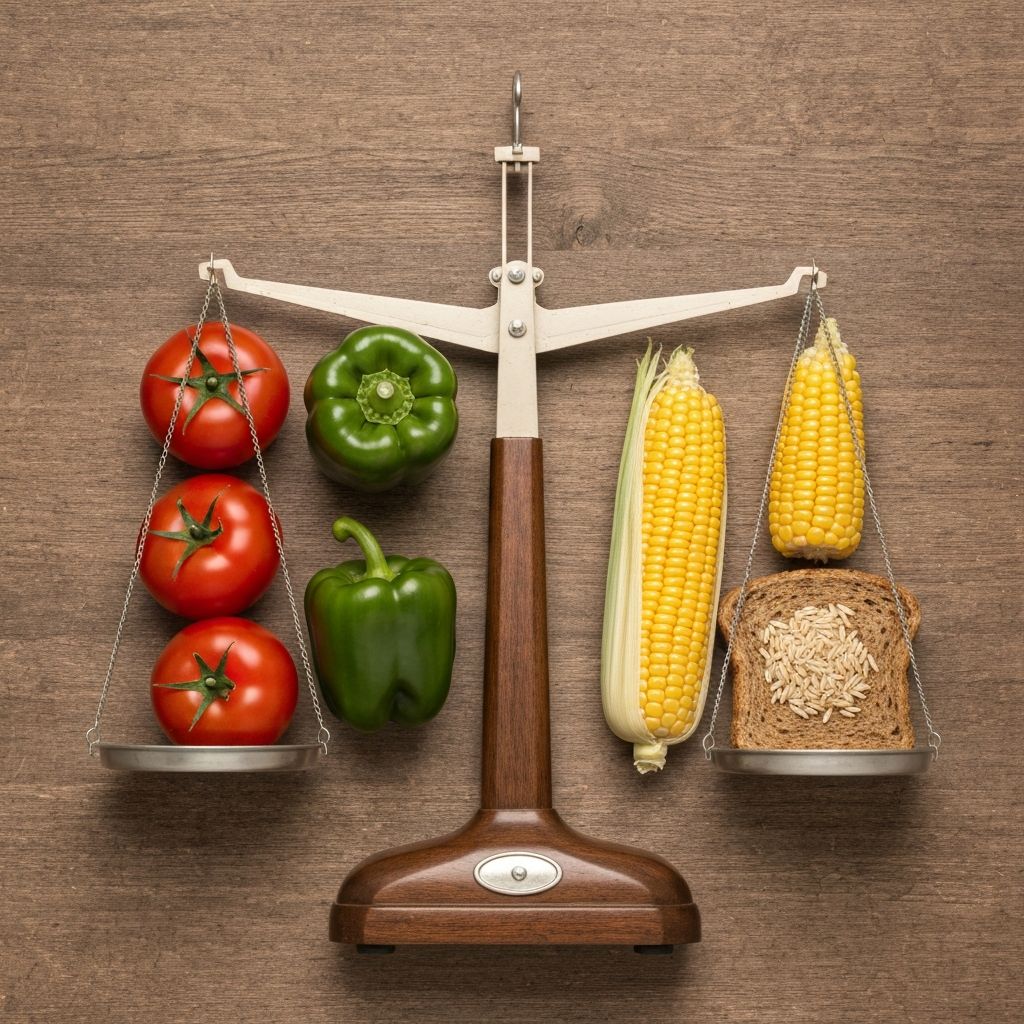
Energy balance concept

Energy balance refers to the relationship between energy consumed through food and beverages, and energy expended through basic bodily functions and physical activity. This concept is fundamental in nutrition science and helps explain how the body uses food as fuel.

When energy intake matches energy expenditure, the body maintains its current state. The human body requires energy for essential processes such as breathing, circulation, cell production, and nutrient processing. Additional energy is used during physical movement and activity.

Understanding energy balance involves recognizing that different foods provide different amounts of energy, measured in calories or kilojoules. The body's energy needs vary based on factors including age, biological sex, body composition, and activity levels.

Research in nutritional science continues to explore how various factors influence energy balance, including meal timing, food composition, metabolic rate variations, and individual differences in energy processing.
Role of Macronutrients

Macronutrients are the nutrients required by the body in large amounts to provide energy and support various physiological functions. The three primary macronutrients are proteins, carbohydrates, and fats.

Proteins

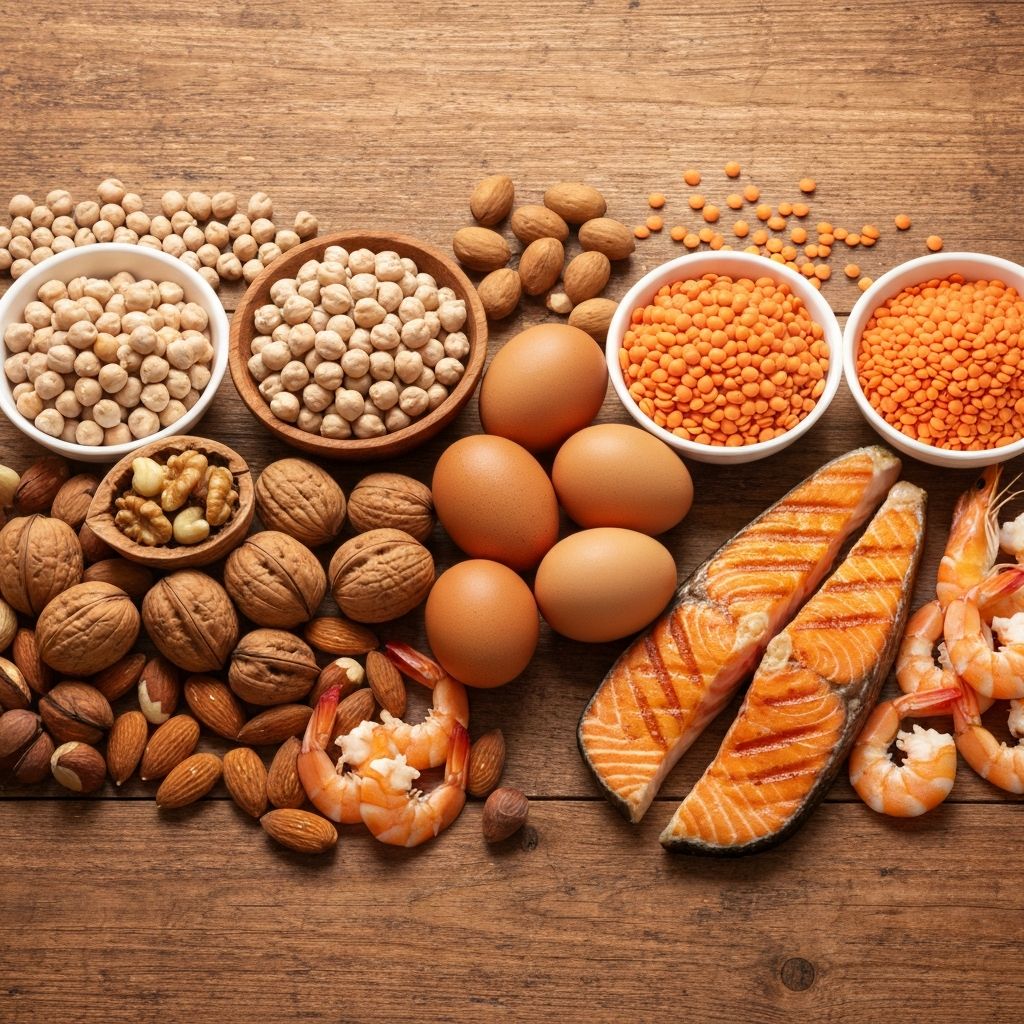
Protein sources

Proteins are composed of amino acids and serve as building blocks for tissues, enzymes, and hormones. They play essential roles in muscle maintenance, immune function, and cellular repair. Protein sources include legumes, nuts, seeds, fish, eggs, and dairy products.

The body uses proteins for growth and maintenance rather than primarily for energy. However, in certain circumstances, proteins can be converted to energy. Different protein sources provide varying combinations of amino acids, which is why nutritionists often discuss protein quality and variety.

Carbohydrates and Fats

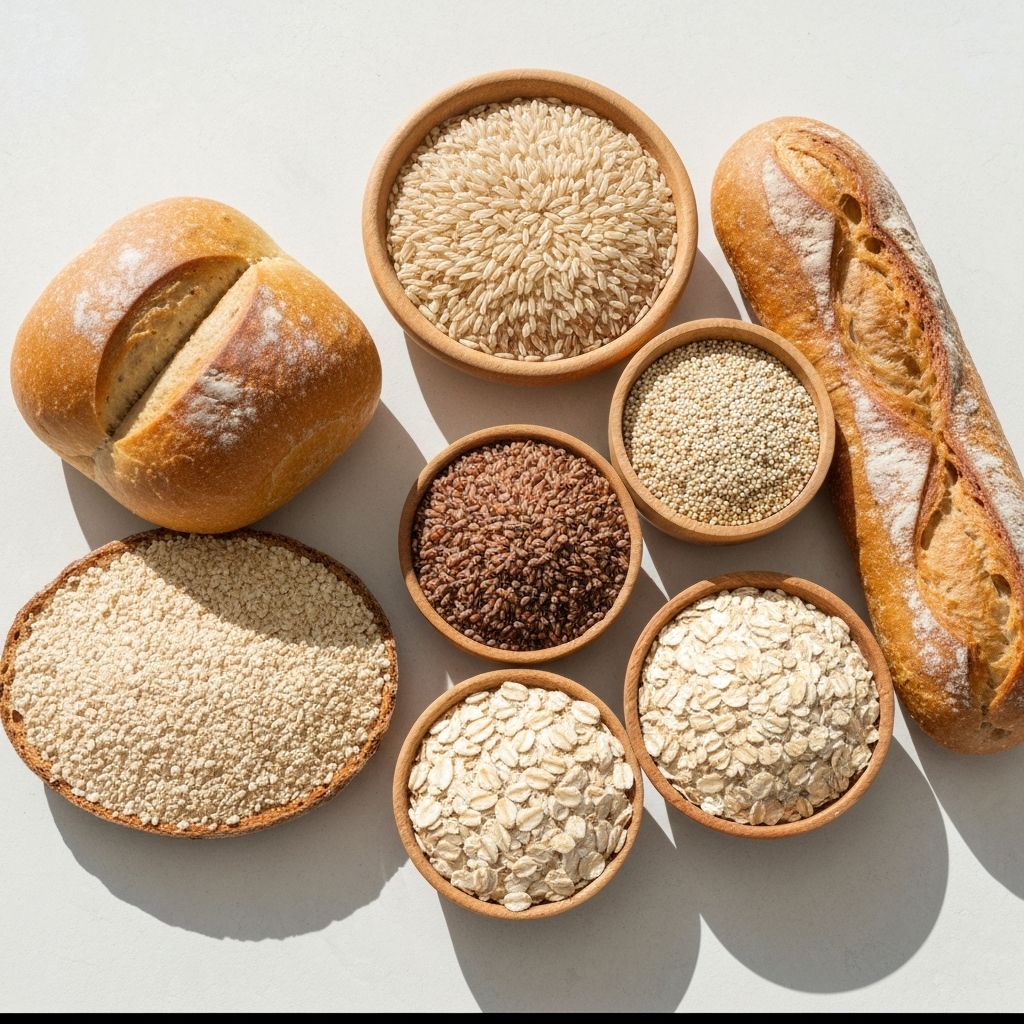
Carbohydrate sources

Carbohydrates are the body's preferred energy source and include sugars, starches, and fiber. They are found in foods like grains, fruits, vegetables, and legumes. Complex carbohydrates from whole grains provide sustained energy, while simple carbohydrates are digested more quickly.

Fats are energy-dense nutrients that support cell structure, hormone production, and absorption of fat-soluble vitamins. They include saturated, unsaturated, and trans fats, each with different properties. Sources include oils, nuts, seeds, avocados, and fatty fish.

The ratio and types of macronutrients consumed can influence how the body processes food and distributes energy. Nutrition research examines how different macronutrient combinations affect satiety, energy levels, and metabolic processes.

Myths and Facts about Weight

Myth: All calories are equal

Fact: While energy content matters, the source of calories influences how the body processes them. Nutrients from whole foods interact differently with metabolic processes compared to highly processed alternatives. The body's response to 200 calories from vegetables differs from 200 calories from refined sugar.

Myth: Eating fat always leads to body fat

Fact: Dietary fat and body fat are not directly equivalent. Fats are essential nutrients that serve multiple functions. The relationship between dietary fat consumption and body composition depends on overall energy balance, the type of fats consumed, and individual metabolic factors.

Myth: Skipping meals helps reduce intake

Fact: Meal patterns affect hunger signals and eating behaviors in complex ways. Research indicates that skipping meals may lead to increased hunger later and potentially affect metabolic rate. Regular eating patterns tend to support more stable energy levels throughout the day.

Myth: Carbohydrates should be avoided

Fact: Carbohydrates are a primary energy source and include a wide variety of foods from refined sugars to complex starches and fiber. The type, amount, and source of carbohydrates matter more than their mere presence. Whole grains, fruits, and vegetables provide carbohydrates along with fiber, vitamins, and minerals.

How Food Choices Affect the Body

Variety of wholesome foods

Food choices influence not only energy intake but also nutrient density, satiety, and metabolic responses. Whole, minimally processed foods typically provide more vitamins, minerals, and fiber per calorie compared to highly processed alternatives.

The processing level of foods affects digestion rate and nutrient availability. Whole grains retain their fiber and micronutrients, which can influence digestion speed and blood sugar responses. Similarly, whole fruits contain fiber that affects how quickly natural sugars are absorbed.

Food choices also impact satiety, the feeling of fullness after eating. Protein-rich foods and those high in fiber tend to promote greater satiety compared to foods high in refined carbohydrates. This is an area of ongoing nutrition research.

The combination of foods consumed together can affect nutrient absorption. For example, vitamin C enhances iron absorption from plant sources, while certain compounds in tea and coffee may reduce it. These interactions illustrate the complexity of nutritional science.

Importance of Vegetables and Fruits

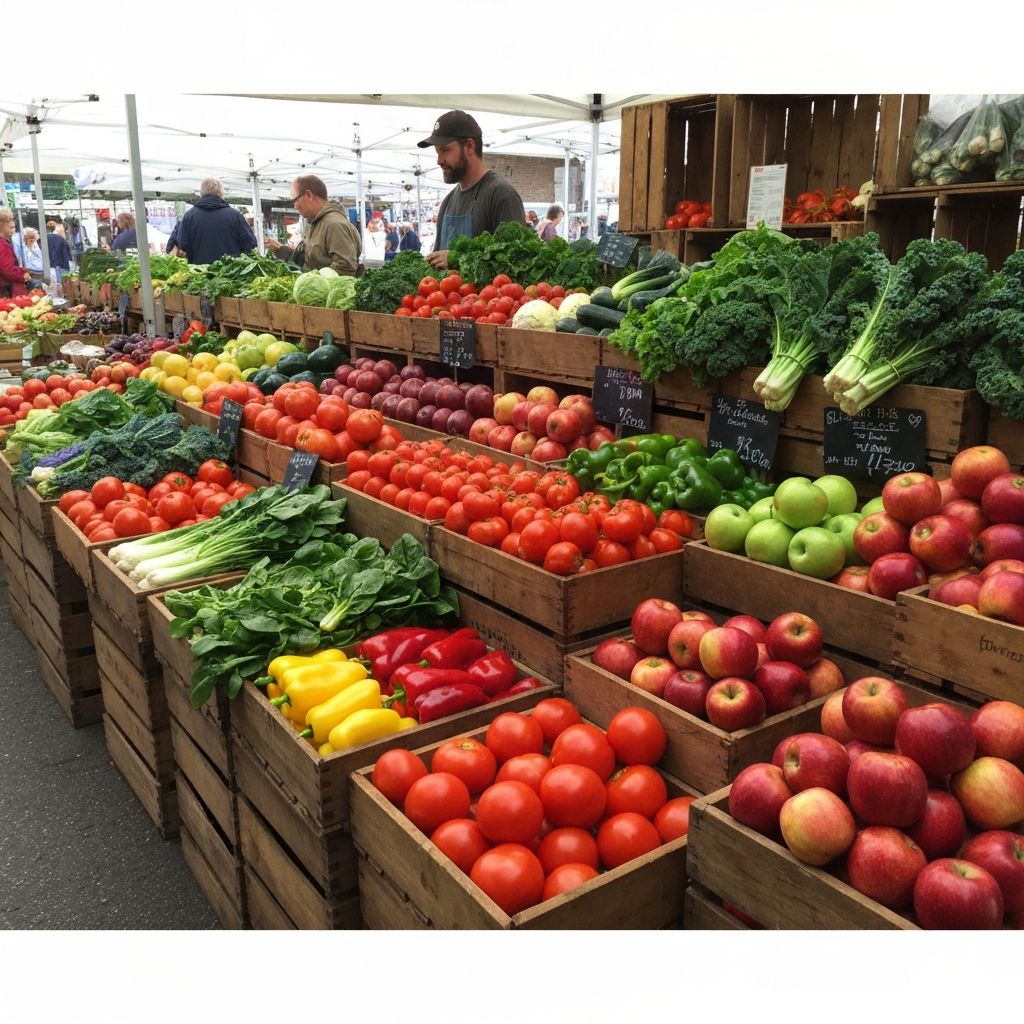
Fresh produce at market

Vegetables and fruits are fundamental components of nutritional guidance worldwide. They provide essential vitamins, minerals, fiber, and numerous plant compounds while being relatively low in energy density.

The fiber content in vegetables and fruits supports digestive health and contributes to feelings of fullness. Different colors of produce indicate different phytonutrients, which is why nutrition educators often recommend eating a variety of colorful vegetables and fruits.

Leafy greens provide folate, vitamin K, and iron. Orange and yellow produce offer carotenoids and vitamin C. Berries contain various antioxidants. Cruciferous vegetables like broccoli and cabbage provide unique sulfur compounds studied for their potential health properties.

Fresh, frozen, and properly canned vegetables and fruits all contribute to nutrient intake. The key consideration is choosing options without excessive added sugars or sodium. Seasonal and local produce can offer optimal freshness and nutrient content.

Physical Activity and Daily Life

Gentle outdoor activity

Physical activity encompasses all body movement that uses energy, from structured exercise to everyday activities like walking, gardening, or taking stairs. Movement is a natural part of human existence and contributes to overall energy expenditure.

Different types of activities require different amounts of energy. Light activities include casual walking and household tasks. Moderate activities might include brisk walking or active gardening. Vigorous activities include running or intensive sports.

Beyond energy expenditure, physical activity influences muscle maintenance, bone density, cardiovascular function, and metabolic health. Regular movement is associated with various physiological benefits across multiple body systems.

Daily life offers numerous opportunities for movement. Walking for transportation, using stairs instead of elevators, standing while working, and engaging in active hobbies all contribute to total daily energy expenditure. These accumulated movements throughout the day are collectively known as non-exercise activity thermogenesis.

Hydration and Its Role

Glass of water with lemon

Water is essential for virtually every bodily function. It regulates temperature, transports nutrients, removes waste, cushions joints, and maintains cellular function. The human body is approximately 60% water, and adequate hydration supports optimal physiological processes.

Fluid needs vary based on factors including climate, activity level, and individual physiology. While specific recommendations exist, actual needs differ from person to person. Thirst is generally a reliable indicator of hydration needs for most healthy individuals.

Water can be obtained from various sources including plain water, herbal teas, and water-rich foods like fruits and vegetables. Some beverages, particularly those containing caffeine or alcohol, may have mild diuretic effects, though normal consumption typically does not cause dehydration.

Proper hydration supports digestion, nutrient absorption, and cognitive function. Some research suggests that adequate water intake may influence feelings of fullness, particularly when consumed before meals. The relationship between hydration and various bodily functions continues to be an area of scientific investigation.

Frequently Asked Questions

What determines individual energy needs?

Energy needs vary based on age, biological sex, body composition, metabolic rate, and physical activity level. Basal metabolic rate accounts for energy used in basic body functions, while additional energy is needed for daily activities and movement.

How does metabolism work?

Metabolism refers to all chemical processes that maintain life, including converting food to energy, building and repairing tissues, and eliminating waste. Metabolic rate can be influenced by factors including genetics, age, body composition, hormone levels, and physical activity.

Why do different people respond differently to the same foods?

Individual responses to food vary due to genetic differences, gut microbiome composition, metabolic health, activity levels, sleep patterns, stress, and numerous other factors. This is why nutritional science increasingly recognizes that individual variation is significant.

What role does sleep play in nutrition and energy?

Sleep affects hormones that regulate hunger and fullness, influences energy levels and activity patterns, and impacts metabolic processes. Research indicates that inadequate sleep may affect food choices and hunger signals, illustrating the interconnection between lifestyle factors.

How does stress influence eating behaviors?

Stress activates hormonal responses that can affect appetite, food preferences, and eating patterns. Some people experience reduced appetite during stress, while others may seek comfort foods. These responses vary individually and are influenced by psychological and physiological factors.

Information and Context

This website provides general educational information about nutrition science. The content is not intended as individual advice or recommendations. Nutritional needs and responses vary significantly among individuals. For decisions regarding personal nutrition or health, please consult qualified professionals who can assess your individual circumstances.

Continue Learning

Explore more articles and resources about nutrition science, food choices, and the fascinating complexity of how our bodies use food for energy and health.

Learn more about this project

Get in Touch

Have questions about the content or want to learn more? Send us a message.